
Launch A Compliant Stablecoin
How could you launch your own stablecoin while complying with the law?
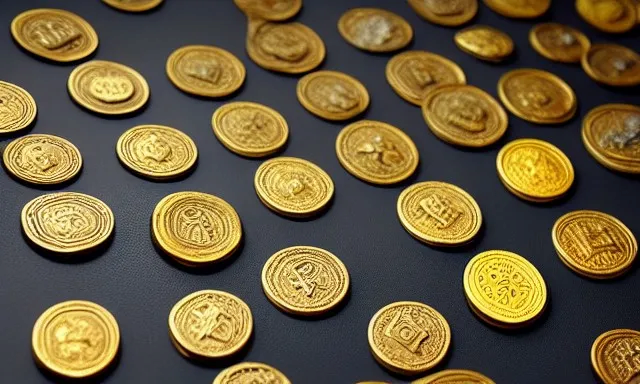
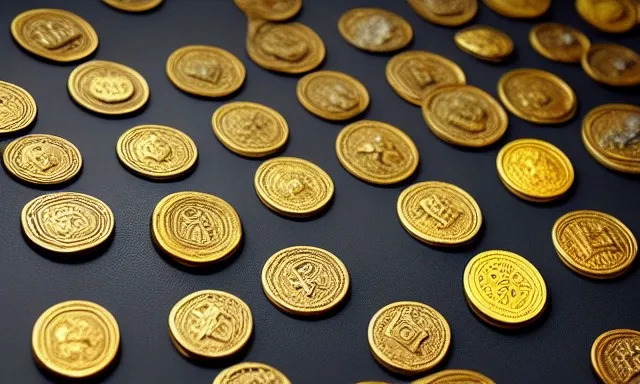
Art made by BCTA team using NightCafe's Stable Diffusion algorithm.
How to launch a compliant stablecoin?
Stablecoins have come under scrutiny recently due to the collapse of the Terra USD (UST) algorithimic stablecoin token. As a result, it is likely that stablecoins will become scrutinized seriously. So how can you issue a stablecoin in a compliant way? It is probably possible to issue stablecoins in a variety of jurisdictions at the moment, and this article will attempt to cover a number of them. Therefore, you should look at this article as a WIP (work in progress).
It is likely that algorithmic stablecoins will be viewed with suspicion. However, stablecoins which are backed by hard, liquid assets are likely to be accepted by the regulators, provided, there is a licensing framework for the issuance of tokens. As this guide is written by a Malaysian lawyer, we will begin by examining the issuance of a stablecoin under Malaysian law.
Stablecoin Issuance from Labuan in Malaysia
In Labuan, Malaysia, there is a license called the credit token license. The credit token license enables you to issue "credit tokens" which can be redeemed for hard cash. Under the provisions of the law, there are many forms of "credit tokens" that can be issued, including blockchain tokens, as long as the tokens are backed by a reserve of cash.
Since Labuan is a part of Malaysia, it is likely that the Labuan regulator, the LFSA (Labuan Financial Services Authority) will not allow the issuance of any token that aims to supplant the role of the Malaysian Ringgit. This is to comply with the provisions of the Currency Act, which prohibits issuance of tokens which supplant the role of the national currency, the Malaysian ringgit.
The reserve of assets or money which back the credit tokens should be audited and prepared to be shown to LFSA whenever required.
(The rest of this article is still being written.)
